
Face Piercing Guide: A Comprehensive Overview (Updated 02/27/2026)
This guide details realistic healing timelines and aftercare, prioritizing safe outcomes for US clients; dedication and knowledge ensure years of enjoyment.

Facial piercings represent a vibrant form of self-expression, carrying a rich history and evolving cultural significance. From subtle nostril adornments to bold cheek piercings, the options are diverse, reflecting individual style and personality. However, venturing into the world of face piercings requires careful consideration and a commitment to responsible practices.
All piercings, including those on the face, involve creating an open wound, making them susceptible to complications like infections and allergic reactions. Understanding the piercing process, proper aftercare, and potential risks is paramount for a safe and successful experience. This guide emphasizes realistic healing times, acknowledging that patience and diligence are key.
A piercing is more than just jewelry; it’s a commitment to ongoing care. Following recommended aftercare routines, maintaining hygiene, and being vigilant for signs of infection are crucial for long-term health and enjoyment of your body art.
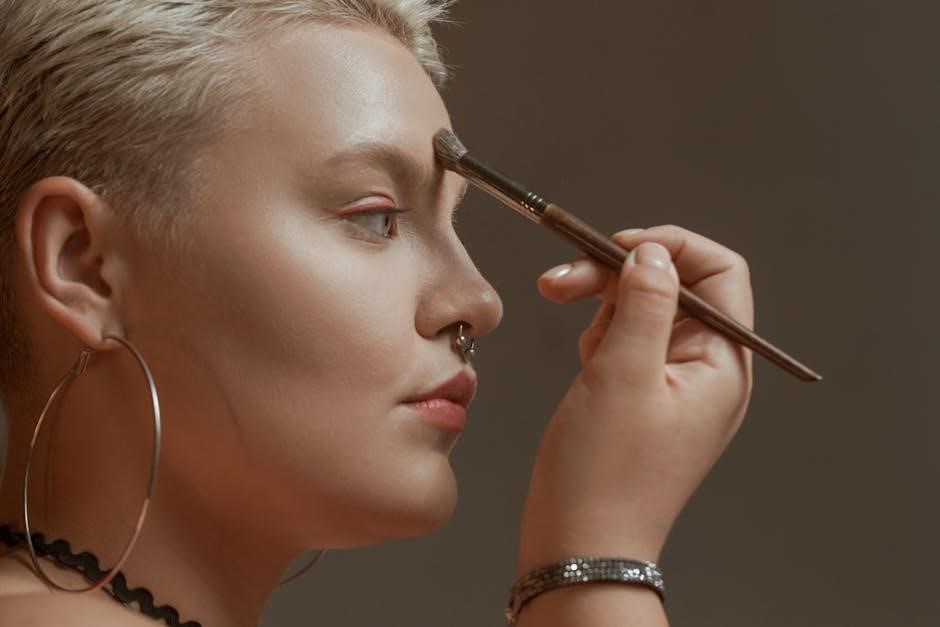
Types of Face Piercings
Explore diverse options, including eyebrow, bridge, septum, nose, lip, and cheek piercings, each offering unique aesthetics and varying levels of complexity.
Eyebrow Piercings: Styles and Considerations
Eyebrow piercings are a popular choice, offering versatility in style and placement. Common styles include vertical, horizontal, and curved placements, each impacting the aesthetic and healing process. Considerations are crucial; the angle and thickness of the eyebrow play a significant role in successful healing.
Proper jewelry selection is paramount, with options ranging from barbells to rings. Ensure the jewelry material is biocompatible to minimize allergic reactions. Healing times typically range from six to eight weeks, but can vary.
Maintaining diligent aftercare is essential to prevent infection and promote healing. Avoid excessive touching and clean the piercing twice daily with a sterile saline solution. Be mindful of clothing and makeup that may irritate the piercing site.
Bridge Piercings: Placement and Pain Level
Bridge piercings, positioned at the indentation of the nose, are visually striking but require careful consideration. Placement accuracy is vital, ensuring the piercing passes through sufficient tissue and avoids the nasal bone. This piercing is generally considered to have a moderate to high pain level, due to the limited muscle and fat in the area.
Surface piercings like the bridge are prone to rejection, making jewelry choice and aftercare critical. Barbells with a longer shaft are often recommended initially to accommodate potential swelling.
Healing can take between eight to twelve months, demanding consistent cleaning with sterile saline and avoiding pressure on the piercing. Protecting the piercing from accidental bumps is crucial to prevent complications and promote successful healing.
Septum Piercings: History and Healing
Septum piercings, adorning the cartilage between the nostrils, boast a rich history rooted in various cultures. Traditionally signifying status or bravery, they’ve evolved into a popular modern form of self-expression. The piercing itself typically goes through the “sweet spot,” a small area of soft tissue.
Healing generally takes six to eight months, though complete healing can extend to a year. Initial aftercare involves regular saline rinses to prevent infection and promote tissue health.

Proper jewelry material, like surgical steel or titanium, minimizes allergic reactions. Avoid harsh chemicals and excessive manipulation during the healing process. Patience and diligent aftercare are key to a smooth recovery and a beautifully healed septum piercing.
Nose Piercings: Nostril, High Nostril, and Septril
Nose piercings are among the most common facial adornments, offering diverse styles like classic nostril, trendy high nostril, and the unique septril (bridge-to-nostril combination). Nostril piercings typically heal within four to six months, while high nostril piercings, placed higher on the cartilage, may take longer.
Septril piercings, due to their complex placement, demand extended healing times—potentially up to a year. Jewelry choices significantly impact healing; opting for hypoallergenic materials like surgical steel or titanium is crucial to avoid allergic reactions.
Consistent saline soaks and avoiding unnecessary touching are vital for successful healing. Remember, patience and diligent aftercare are paramount for a beautifully healed nose piercing.
Lip Piercings: Labret, Monroe, and Medusa
Lip piercings encompass a range of placements, including the classic labret (centered below the bottom lip), the playful Monroe (off-center, mimicking Marilyn Monroe’s beauty mark), and the striking Medusa (centered above the cupid’s bow). Healing times vary; labret piercings generally take six to eight months, while Monroe and Medusa piercings can extend to a year or more due to cartilage involvement.
Oral hygiene is paramount with lip piercings. Rinsing with alcohol-free mouthwash after eating and drinking is essential to prevent infection.
Avoid playing with the jewelry and be mindful of potential damage to teeth. Choosing appropriate jewelry materials, like surgical steel or titanium, minimizes allergic reactions and promotes optimal healing.
Cheek Piercings: Risks and Aftercare
Cheek piercings, also known as dimple piercings, are among the most complex and potentially problematic facial piercings. Due to their location within the muscle tissue of the cheeks, they carry a significantly higher risk of complications, including prolonged healing times, migration, and nerve damage.
Meticulous aftercare is absolutely crucial. This includes consistent saline soaks, a soft diet avoiding hard or chewy foods, and diligent oral hygiene to prevent infection.
Expect an extended healing period, often lasting up to a year or even longer. Regular check-ups with a reputable piercer are vital to monitor healing progress and address any concerns promptly. Due to the high risk, careful consideration is advised before pursuing this piercing.
The Piercing Process
Selecting a skilled piercer, understanding sterilization protocols, choosing appropriate jewelry, and knowing what to expect during the procedure are vital steps.
Choosing a Reputable Piercer
Selecting a professional piercer is paramount for a safe and positive experience. Thorough research is essential; look for studios with visible licenses and certifications, demonstrating adherence to health and safety standards.
Observe the studio’s cleanliness meticulously – it should be impeccably maintained. Don’t hesitate to ask about their sterilization procedures; autoclaves are the industry standard for sterilizing equipment.
A reputable piercer will gladly discuss the piercing process, aftercare instructions, and potential risks with you. They should also assess your anatomy to ensure the piercing is suitable and aesthetically pleasing.
Avoid piercers who offer excessively low prices, as this may indicate compromised hygiene or quality of materials. Read online reviews and seek recommendations from trusted sources to gain insights into their reputation and client satisfaction.
Sterilization and Safety Protocols
Rigorous sterilization is non-negotiable in professional piercing. Reputable studios utilize autoclaves – machines employing high-pressure steam to eliminate all bacteria and viruses from instruments.
Single-use, disposable equipment, like needles, should be used for each client, preventing cross-contamination. Observe the piercer opening sealed, sterilized packaging immediately before your procedure.
Surface sterilization of work areas with approved disinfectants is crucial, alongside the piercer’s diligent handwashing and the use of sterile gloves throughout the process.
Proper waste disposal, adhering to biohazard regulations, is another indicator of a safe studio. Question any practices that seem unhygienic or deviate from established safety protocols; your health is the priority.
Jewelry Materials: A Guide to Options
Initial jewelry significantly impacts healing; implant-grade materials minimize complications. Surgical steel is a common, affordable option, but nickel content can cause allergic reactions in sensitive individuals.
Titanium is hypoallergenic, biocompatible, and ideal for initial piercings, promoting faster, smoother healing. Gold jewelry, specifically 14k or higher, is another option, but ensure it’s nickel-free to avoid irritation.
Avoid cheaper metals like silver or plated jewelry, as they can corrode, harbor bacteria, and trigger allergic responses.
Biocompatible glass is increasingly popular, offering a non-porous, hypoallergenic surface. Discuss material options with your piercer, considering your skin sensitivity and lifestyle.
The Piercing Procedure: What to Expect
The procedure begins with a thorough consultation, discussing placement and addressing any concerns. Your piercer will meticulously mark the spot, ensuring accuracy and symmetry.
Skin is then cleansed and sterilized to minimize infection risk. A sterile, single-use needle is used to create the piercing; expect a brief, sharp sensation.
Following the piercing, the jewelry is carefully inserted, often with a T-bar technique which can be the most painful part.
The piercer will provide detailed aftercare instructions, emphasizing hygiene and potential complications.
Remain calm and follow your piercer’s guidance for a smooth and successful experience.
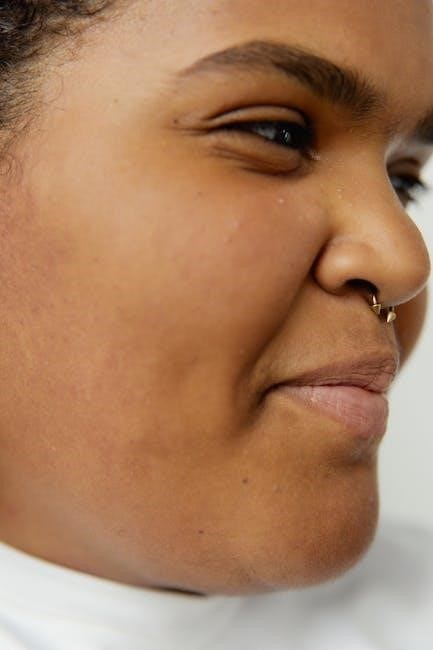
Aftercare and Healing
Proper hygiene, quality jewelry, and vigilance are crucial for a healthy recovery; patience and dedication will ensure a smooth healing process.
Initial Aftercare Routine (First 24-72 Hours)
The first 24-72 hours are critical for establishing a solid foundation for healing. Avoid swimming entirely during this initial period to minimize bacterial exposure. Refrain from using sunbeds, and if exposure is unavoidable, protect the piercing with a breathable plaster.
Gentle cleaning is paramount. Do not vigorously turn or rotate the jewelry, as hardened discharge can tear the piercing, introducing bacteria and prolonging healing;
Focus on saline soaks or gentle cleaning with a recommended solution. Avoid harsh chemicals or alcohol-based products. Be mindful of potential allergic reactions to jewelry materials, particularly nickel. Consistent, careful aftercare significantly reduces the risk of infection and promotes optimal healing. Remember, following these guidelines diligently sets the stage for a successful recovery.

Cleaning Solutions and Techniques
Maintaining impeccable hygiene is crucial throughout the healing process. Opt for sterile saline solutions specifically designed for piercing aftercare; avoid homemade mixtures which can introduce contaminants. Gently cleanse the piercing twice daily, carefully removing any crust or discharge that may have accumulated.
Apply the solution using a clean gauze pad or cotton swab, avoiding harsh rubbing. Do not use Q-tips as fibers can become lodged in the piercing.
Avoid alcohol-based cleaners, hydrogen peroxide, and harsh soaps, as these can irritate the tissue and impede healing. Consistent, gentle cleaning promotes a healthy environment for tissue regeneration and minimizes the risk of infection. Remember, proper technique is as important as the solution itself.
Healing Times for Different Face Piercings
Healing durations vary significantly depending on the piercing location and individual factors. Eyebrow piercings typically heal within 6-8 weeks, while bridge piercings can take 8-12 weeks. Septum piercings generally require 2-3 months for initial healing, though full maturation can take up to a year.

Nose piercings (nostril) usually heal in 4-6 months, but high nostril piercings may take longer. Lip piercings, including labret, Monroe, and Medusa, generally heal within 2-3 months. Cheek piercings, being more complex, require 6-12 months, or even longer, for complete healing.
These are estimates; individual healing times can fluctuate. Patience and diligent aftercare are essential for optimal results.
Recognizing and Addressing Infection
Identifying an infection promptly is crucial for preventing complications. Look for excessive redness, swelling, pain, and pus-like discharge – particularly if it’s yellow or green. Increased warmth around the piercing site is also a warning sign. Mild discomfort is normal during healing, but escalating pain indicates a potential issue.
If you suspect an infection, do not remove the jewelry, as this can trap the infection inside. Consult a reputable piercer or medical professional immediately. They may recommend a saline soak or, in severe cases, antibiotics.
Proper aftercare minimizes infection risk; neglecting it significantly increases the chances of complications.
Avoiding Complications: Dos and Don’ts
To ensure optimal healing, consistently follow aftercare instructions. Do clean the piercing twice daily with a sterile saline solution, avoiding harsh soaps or alcohol. Do be patient – healing takes time, and varies per piercing location. Do listen to your body and seek professional help if concerns arise.
Don’t touch the piercing with dirty hands. Don’t rotate or play with the jewelry unnecessarily, as this can irritate the wound. Don’t use sunbeds or swim for the initial weeks, protecting the piercing from UV exposure and bacteria. Don’t ignore signs of infection; address them immediately.

Potential Risks and Complications
All piercings carry risks, including allergic reactions—especially to nickel—and potential skin infections requiring prompt treatment for a healthy recovery.
Allergic Reactions to Jewelry
Allergic reactions stemming from piercing jewelry are a common concern, often manifesting as redness, itching, swelling, and discomfort around the piercing site. Nickel is a frequent culprit, widely used in cheaper jewelry alloys, and a known allergen for many individuals. Even seemingly hypoallergenic metals can contain trace amounts of nickel, triggering a reaction in sensitive people.
Symptoms can range from mild irritation to more severe dermatitis. If you suspect an allergy, removing the jewelry is the first step, but the irritation may persist for some time. Switching to implant-grade titanium or surgical steel—materials less likely to cause reactions—is highly recommended. Consulting a dermatologist can help confirm the allergy and guide appropriate treatment, potentially including topical corticosteroids to alleviate inflammation. Careful jewelry selection is crucial for preventing and managing allergic responses.

Skin Infections and Treatment
Skin infections are a potential risk with any piercing, arising from bacteria entering the wound. Symptoms include increased pain, redness, swelling, pus-like discharge, and warmth around the piercing site. Ignoring these signs can lead to more serious complications. Proper aftercare, including regular cleaning with a sterile saline solution, is vital for prevention.
If an infection develops, immediate attention is crucial. Avoid removing the jewelry, as this can trap the infection inside. Consult a medical professional; they may prescribe oral or topical antibiotics. Continuing the aftercare routine, even during treatment, is essential. Untreated infections can cause scarring and necessitate piercing removal. Vigilance and prompt medical intervention are key to effectively managing and resolving skin infections associated with face piercings.